 |
||||
 |
 |
|||
 |
||||
|
||||

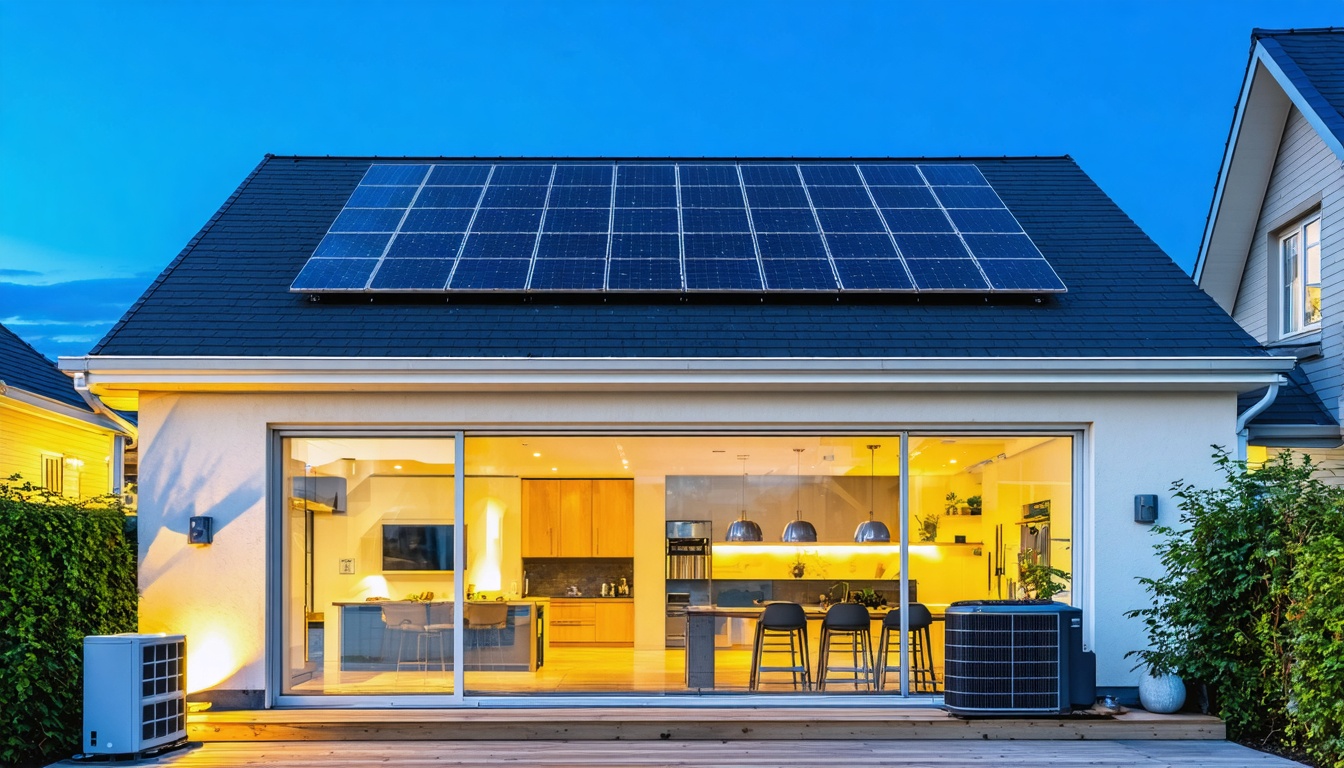 Home Energy Efficiency Improvements That Complement Solar PowerWhen considering the installation of solar panels, it is advisable to evaluate energy efficiency upgrades beforehand. Enhancing insulation, replacing outdated appliances, and improving weatherization can lead to reduced energy consumption, thereby maximizing the benefits of the solar power generated. Various federal tax incentives are available to alleviate the financial burden of these upgrades. Research indicates that homes with better insulation and efficient appliances typically consume less energy, which translates to lower electricity costs and improved performance of solar systems. Upgrades such as air sealing and proper insulation can substantially decrease energy loss, making it easier for solar panels to meet the energy demands of the household. In terms of prioritization, homeowners may want to assess the condition of their current insulation and appliances first. In some cases, addressing these aspects may yield immediate benefits in energy savings and comfort before proceeding with solar panel installation. An energy audit can help identify the most effective improvements based on a home's specific needs. Overall, assessing energy efficiency measures before investing in solar panels can enhance energy savings and make renewable energy systems more effective. The Value of Energy Efficient Home ImprovementsInvesting in energy-efficient home improvements can yield several benefits, primarily through the reduction of utility bills and an increase in property value. These upgrades enhance the overall appeal of a home to potential buyers and may contribute positively to its long-term resale value. Common upgrades include the installation of high-efficiency windows, Energy Star-rated appliances, and advanced heating systems such as heat pumps. Recent innovations, such as electric heat pump water heaters, aim to lower carbon emissions and improve indoor air quality, while also ensuring stable indoor temperatures by reducing heat loss and minimizing air leaks. Additional strategies for improving energy efficiency include the installation of smart thermostats and enhancing insulation, both of which can lead to significant decreases in energy consumption. In the United States, homeowners have access to various energy-efficient upgrades that can work in tandem with renewable energy solutions, such as solar panels. These improvements not only benefit individual households but also support broader efforts toward sustainability in both residential and commercial settings. However, it is essential for homeowners to evaluate the specific benefits and potential return on investment of each energy-efficient upgrade, as these factors can differ based on regional climates and local energy costs. Federal Tax Credits and Incentives for Energy UpgradesFederal tax incentives serve as a mechanism for homeowners to reduce the financial burden associated with energy-efficient home upgrades. Homeowners may qualify for a federal tax credit that covers up to 30% of the costs related to eligible projects. Improvements that qualify for this credit include installations of solar panels, heat pumps, heat pump water heaters, and ENERGY STAR-rated electric water heaters. Beyond these items, homeowners can also invest in enhancing their home's energy efficiency through upgrading windows and doors, installing smart thermostats, and making various modifications to improve sustainability. To claim these credits, it is necessary for homeowners in the United States to complete IRS Form 5695 for the tax year in which the upgrades were finalized. It is worth considering that spreading the completion of upgrades across multiple years may provide a strategic advantage for maximizing tax savings. Collaboration with qualified manufacturers is recommended to ensure adherence to current standards and to streamline the process of claiming these incentives accurately. Sealing and Insulation for Enhanced EfficiencySolar panels represent a viable option for sustainable energy in residential settings; however, their overall efficiency is largely affected by the home’s energy retention capabilities. To maximize the effectiveness of solar energy systems and minimize heat loss, it is important to implement sealing measures for air leaks and ensure the presence of adequate insulation. The incorporation of Energy Star® certified windows and doors can further diminish energy waste while enhancing indoor air quality, which can contribute to a higher level of comfort within the home. For homeowners looking for economical solutions, storm windows may offer an additional layer of protection against air infiltration and complement existing insulation efforts. These energy efficiency improvements have the potential to result in lower electricity bills. In the United States, homeowners may also qualify for federal tax credits for incorporating such upgrades, which can serve as a financial incentive. It is recommended that homeowners consult with qualified professionals to assess potential costs, available tax incentives, and sustainable options to suit their unique circumstances. Upgrading Appliances and HVAC SystemsUpgrading to solar panels can reduce a home's reliance on grid electricity, but the choice of appliances and HVAC systems plays a critical role in enhancing overall energy efficiency. Key developments in this area include the implementation of Energy Star-rated appliances, the use of Smart Thermostats, and the adoption of modern heat pumps, which are generally more efficient than traditional natural gas systems. These upgrades aim to improve energy efficiency, decrease electric and water heating costs, and lower carbon emissions. Homeowners in the United States may take advantage of federal tax credits that can amount to as much as $2,000 for these kinds of upgrades. To maximize energy use, it is beneficial to pair energy-efficient appliances with solar energy systems, ensure proper sealing to minimize air leakage around windows and doors, and seek the advice of professionals for effective installation. These strategies contribute to creating a more sustainable home environment while potentially lowering operational costs. Electric Heat Pump Water Heater BenefitsWater heating accounts for a substantial portion of energy usage in households, making the choice of an electric heat pump water heater a pragmatic option for enhancing energy efficiency and lowering costs. In recent years, these systems have become more accessible to homeowners in the United States and are recognized for their energy-efficient performance, as indicated by various efficiency ratings. Electric heat pump water heaters function by extracting heat from the surrounding air to warm water, resulting in lower electricity consumption compared to conventional electric water heaters. This operational mode not only leads to reduced energy expenses but also complements the use of solar panels, contributing to decreased household carbon emissions. In addition to installing a heat pump water heater, homeowners can improve overall energy efficiency by implementing other measures, such as upgrading windows and sealing air leaks. These combined efforts can yield enhanced energy performance in residential settings. Homeowners may also be eligible for federal tax credits associated with energy-efficient upgrades, potentially resulting in savings of up to $2,000 annually. In conclusion, the adoption of an electric heat pump water heater, along with other efficiency-enhancing initiatives, presents a practical approach for reducing energy costs and consumption while promoting sustainability. The Role of Smart Thermostats in Energy ManagementSmart thermostats have become prominent tools in energy management, particularly for homeowners looking to improve energy efficiency and utilize solar energy. These devices enhance control over heating and cooling systems, which can include electric, natural gas, or heat pump systems. One of their notable features is the ability to adapt to user preferences, allowing for the maintenance of a comfortable indoor climate while also aiming to lower energy expenditures. From a practical perspective, smart thermostats can help minimize energy waste by adjusting temperature settings based on occupancy patterns and external weather variables. This functionality is increasingly beneficial when paired with other energy-efficient home improvements, such as solar panel installations, upgraded window insulation, and high-efficiency water heaters. Implementing these combined upgrades can substantially reduce a home's carbon emissions, aligning with wider environmental sustainability objectives. Additionally, potential users may have questions regarding the cost implications of installing smart thermostats. Common inquiries include the availability of tax incentives, the criteria for Energy Star certification, and how these devices effectively reduce heat loss and manage air leakage. Clarifying these elements can offer homeowners a better insight into the financial and ecological benefits of incorporating smart thermostats within their comprehensive energy management approach. Integrating Solar Panels with Energy EfficiencyIntegrating solar panels with targeted energy efficiency improvements, such as those offered by Residential Solar Panels in Springfield, can lead to economic savings and environmental benefits. Initial measures often include sealing air leaks in a building's envelope, upgrading to energy-efficient windows, and installing high-efficiency water heaters or advanced heat pumps. Implementing Smart Thermostat technology can further support reductions in electricity consumption and minimize heat loss. The combination of solar panels with energy-efficient appliances has the potential to significantly decrease a household's carbon footprint, with estimates suggesting reductions of up to 80%. Homeowners in the United States may take advantage of federal tax credits, which can help lower the financial burden associated with these projects and enhance their feasibility. Additionally, integrating energy efficiency measures with solar power can improve indoor air quality and contribute to lower utility bills over time. Addressing common inquiries about such projects can help homeowners better understand the long-term benefits related to energy conservation and cost-effectiveness, allowing for more informed decision-making. Navigating Tax Credit Claiming RequirementsTo maximize the benefits of tax incentives for solar installations and energy efficiency upgrades, it is crucial to document all qualified improvements made to your property accurately. Utilizing IRS Form 5695 for the relevant tax year is essential to ensure you receive your full federal tax credits. Qualifying improvements may include window upgrades, installations of ENERGY STAR-rated heat pumps and water heaters, and the use of smart thermostats. These enhancements can lead to reduced energy expenses and improved air quality within a residence, thereby contributing to increased comfort and sustainability. Starting in 2025, it will be mandatory to include each manufacturer’s Quality Management (QM) code when claiming these credits. This requirement highlights the necessity for maintaining comprehensive records of all improvements. For larger-scale projects, collaborating with qualified installers and consulting manufacturers can clarify the documentation process and help ensure compliance with current requirements. Additionally, staggering improvements may allow for better annual credit utilization and an overall reduction in carbon footprint. These practices will enhance your ability to effectively take advantage of available tax incentives. Strategies for Maximizing Financial and Energy SavingsA structured methodology to improve residential energy efficiency can yield both financial and energy savings, particularly when paired with solar energy solutions. Beginning with home upgrades such as window replacements, air leak sealing, and insulation enhancement can lead to improved energy performance and decreased heat loss, which in turn results in reduced energy expenses. Further integration of Energy Star-rated appliances, Smart Thermostats, and efficient heating technologies like heat pumps or Heat Pump Water Heaters can contribute to notable reductions in electricity consumption. These improvements not only elevate the comfort of the living environment but also aid in lowering the carbon footprint while generating cost savings. Additionally, the installation of solar panels can enhance these financial advantages, allowing homeowners to benefit from further annual savings on energy costs. It is pertinent to mention that federal tax incentives are available for qualifying homeowners in the United States, providing additional encouragement for such investments. For further details, please consult our Frequently Asked Questions section. ConclusionImproving your home's energy efficiency can lead to significant long-term savings and enhanced comfort. Key enhancements include upgrading insulation, installing smart thermostats, and utilizing energy-efficient appliances. These improvements work in conjunction with solar power systems, as they optimize energy consumption and can increase the overall financial benefits of solar investments. Federal incentives are available to help mitigate initial costs associated with these upgrades, which can make implementing energy-efficient measures more feasible. A well-planned approach can contribute to a more sustainable living environment while potentially reducing energy expenditures. It is advisable to consider these factors when planning for energy upgrades in your home. |
|


|
UNITED NORTH | TOLEDO, OH | |